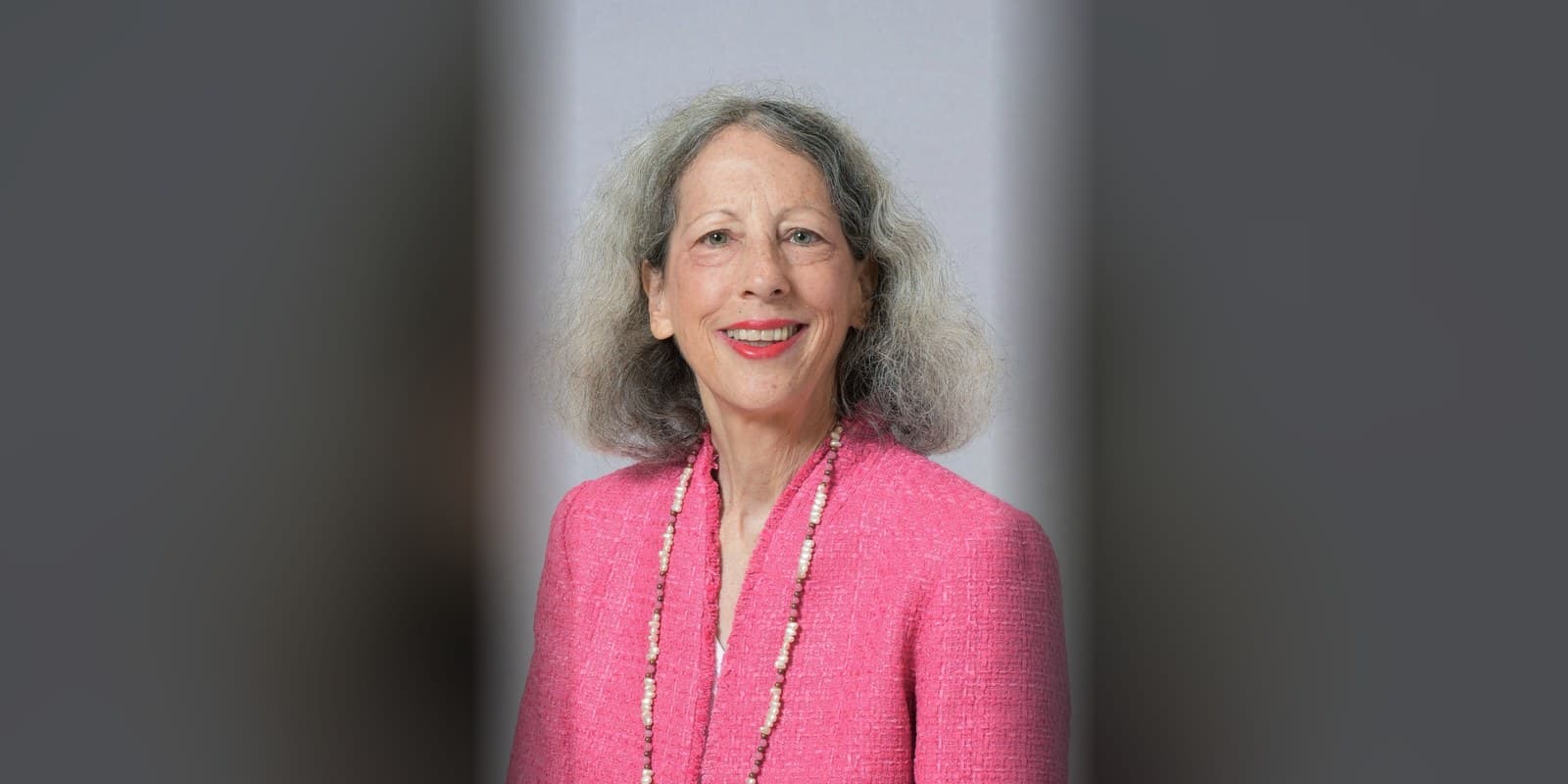
Long before anyone gave her a laboratory, Joan Gillman was mixing powders in the bathroom, sure that a new product would come of it if she only kept going. Forty-four years of teaching later, the habit has a name she uses without embarrassment: making room for wonder.
Her first classroom, in 1982 at St. Angela Merici School, held a blackboard and a box of chalk, and it was everything she needed. When the first computer arrived she could not find the switch to turn it on. The same hands now run a SmartBoard without a second thought. Today, at The Browning School in New York, she teaches kindergarten, second and fourth grade across three platforms at once, and still runs the K-8 Green Team.
Before the first classroom
The scientist arrived first. As a child she held a yardstick to falling snow and built robots from shoe boxes; with her older brother she laid out a model town, Kinderkamack Village. Nobody called any of that a curriculum. It was one anyway. In high school she taught recorder, tutored in math, organized playground games so that every student took part, and taught swimming at the local JCC, including children with special needs.
The proof came during her student teaching at P.S. 47, the junior high school for the deaf, where seventh, eighth and ninth graders built a working amusement park — rides and all. She has been biased toward making things ever since. Her case is a patient one: a child who builds a thing and then teaches it has learned it for good. Students hold a topic longer when they build it, sing it, run it, or teach it to somebody who does not understand it yet.
Green Action of the Week
The Green Team decides the Green Action of the Week and posts the signs on each floor. Lights off when you leave the room. Use both sides of the paper. Recycling sorted correctly. A rule a child wrote is a rule a child keeps.
After Hurricane Melissa the team manned a table in the first-floor lobby Monday through Thursday and ran a bake sale on Friday. The week raised $2,300.32 for Project Hope and American Friends of Jamaica. The school kept none of it. Earlier they had raised more than a thousand dollars for water.org, and they still turn up for Central Park cleanups at half past seven on a Monday morning. She teaches climate without frightening the children, because fear does not build a steward — a repeated, finishable task does.
The circuit and the record
She is a Subject Area Representative for STANYS for Elementary Science in NYC and has led workshops at STANYS, NSTA, STEMTeachersNYC, SCONYC and NYSAIS. Her piece "Straw Rockets are Out of This World" was published in the NSTA journal Science and Children, then selected for the book Bringing STEM to the Elementary Classroom.
The honors caught up in 2025 and 2026: Top Educator of the Decade 2026, Woman of the Year and a Lifetime Achievement award from the IAOTP. She would rather talk about the room. Listen first. Keep a sense of humor on the hard days. Ask for help, because the building is full of teachers, none of them finished learning either. Artificial intelligence is in the room now too — welcome where it helps, set aside where it would do a child's growing for them. This past year the science labs pulled the technology back, and paper and pencil returned to the bench.
Forty-four Septembers in the same subject. The tools kept changing. The subject never did.
