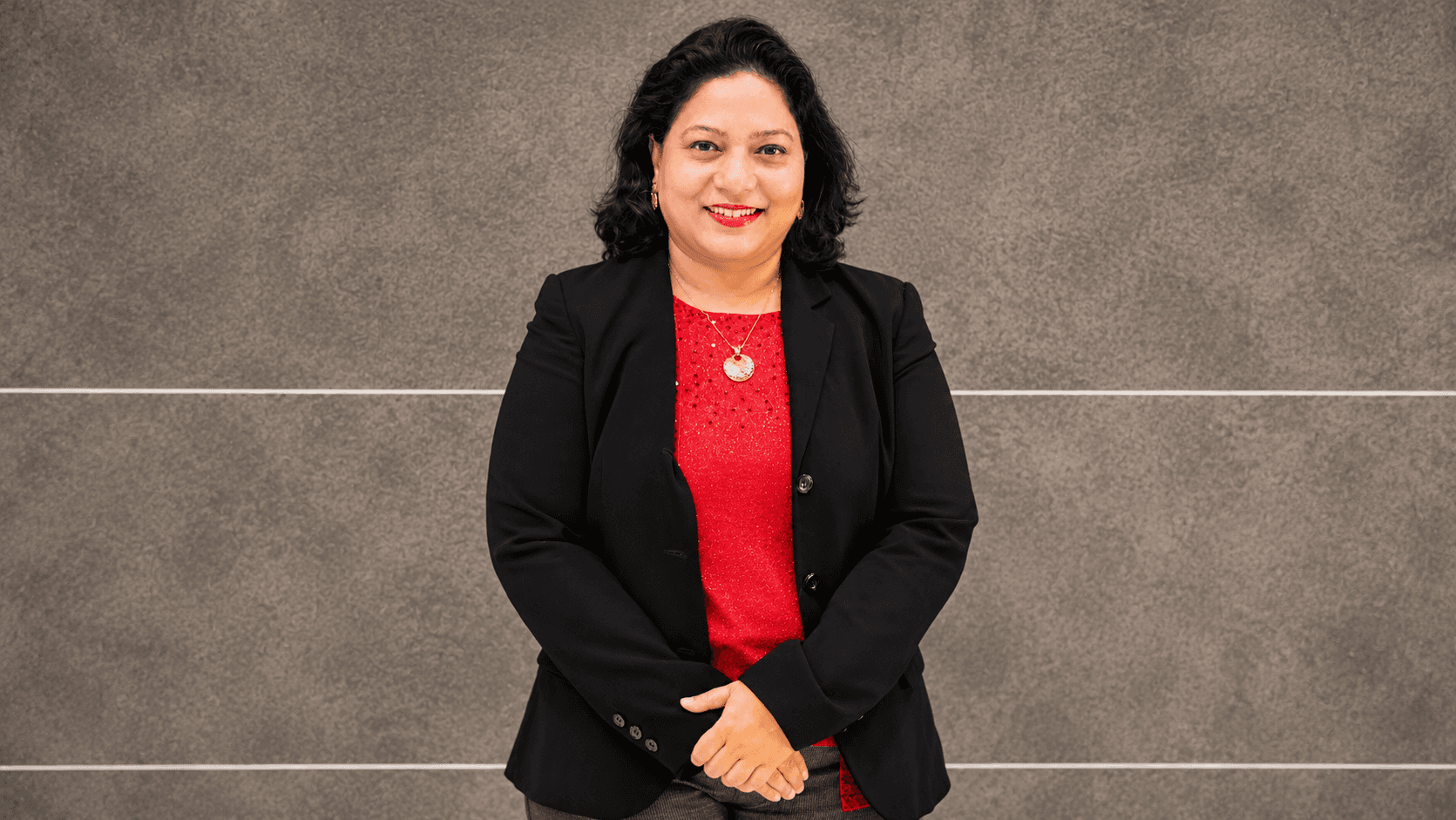
Dr. Rabiaah Bhatia answered eight questions about speaking for an organization, and on almost every one she returned to the same point. Say what you know. Say what you do not. Say it once the facts are clear. It is the position she has built her work around.
Her route to it was not straight. For eighteen years she moved between industry domains and roles, learning people, teams and organizations from the inside. The milestones came, and so did a need for greater purpose and inner satisfaction than they gave her. She took two years off. In 2015 she joined the education sector with a plain mission: to nurture young people and help develop future leaders.
In 2017 she began an entrepreneurial venture of her own. eD WebStudio Channel started as a venture promoting eco-friendliness and sustainability. It now carries her executive interviews, leadership podcasts and webinars for international audiences, and she runs it as founder, director and host. Along the way she has also worked as an author, public speaker, mentor and advocate for youth development and women's empowerment.
Four desks
Today her work runs across four desks. At Amity University she is a Professor of Practice, bringing corporate experience into the lecture hall through mentoring and specialised lectures. At Rise Institute she sits on the Board of Advisors, where the focus is educational access and skill development. At BRK Cart Pvt Ltd she is HR Business Partner, covering workforce management, engagement, talent acquisition and organizational development. Under NITI Aayog's Atal Innovation Mission she is a Mentor of Change, coaching young innovators across India in design thinking and creative problem-solving.
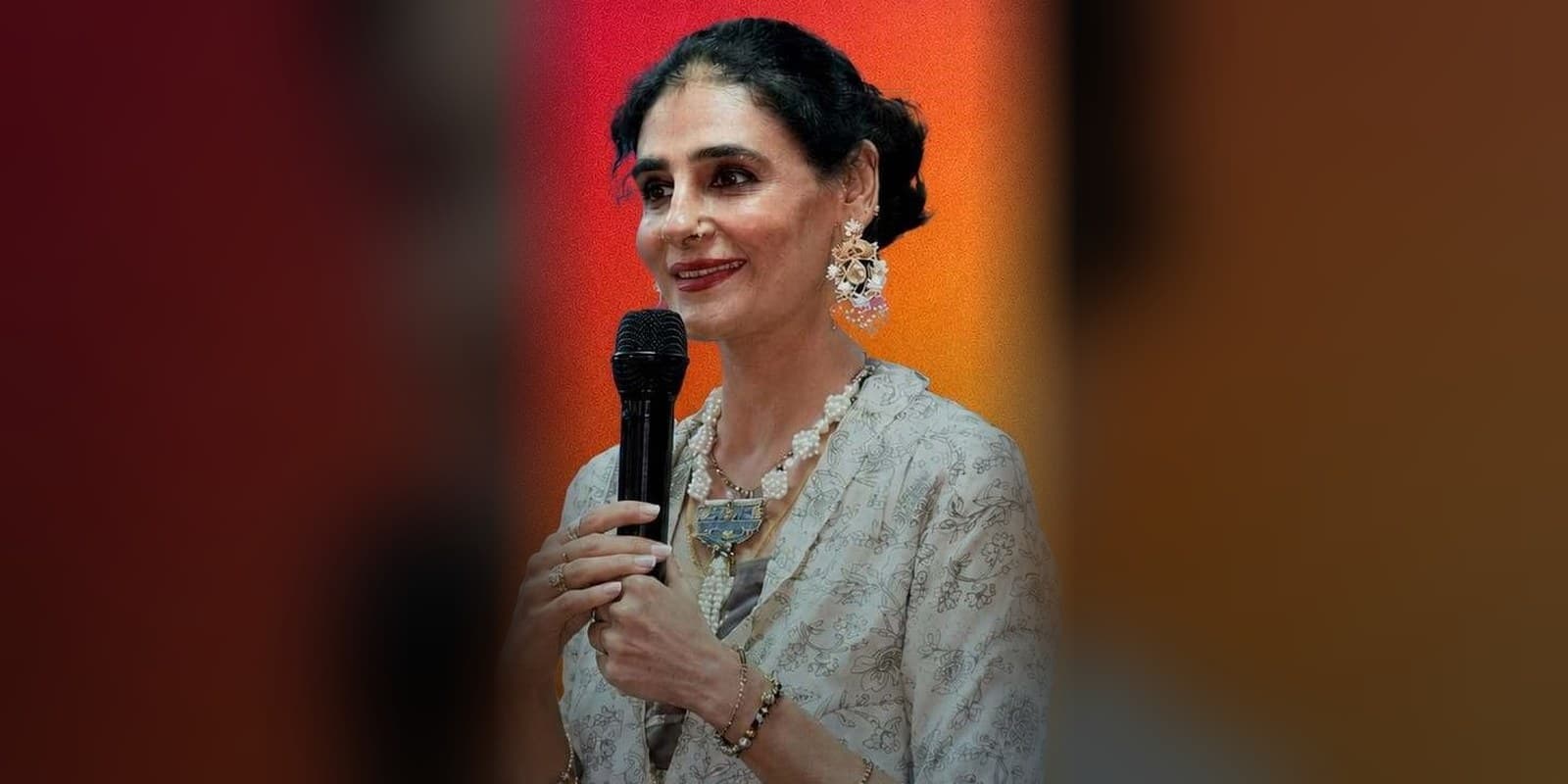
Then there is the stage. She has been a keynote speaker and panellist at G20 initiatives, on humanistic leadership, youth empowerment and sustainable growth. 92.7 BIG FM has invited her as an expert on personal growth, corporate agility, women's leadership and career development. Shri Gajendra Singh Shekhawat, Union Cabinet Minister, conferred on her the Global SDG Ambassador Award for her contributions to the Sustainable Development Goals and social impact. She is also a British Council certified trainer.
Listen first, then speak
Each role taught her the same lesson. "Communication is not simply about speaking; it is about connecting people with a purpose, building trust and inspiring action," she says. Different audiences have different needs, so she believes in "listening first, understanding their perspective and then communicating with clarity, empathy and confidence." Her language adapts to the room. The core message does not.
On representing an organization, she is careful about the line between loyalty and integrity. Credibility, in her view, comes from being truthful, avoiding exaggerated claims, acknowledging concerns and not speaking beyond verified facts or one's authority. "Transparency does not mean sharing information that is confidential; it means being honest about what can be shared and what requires further confirmation."
The same discipline shapes how she deals with journalists. "I would rather take the time to confirm a detail than risk sharing something inaccurate," she says. In a crisis she works from calmness, empathy, accuracy and accountability: establish what is known, verify it, coordinate with the right people and communicate promptly without speculation. "In a crisis, the objective is not merely to protect an image; it is to protect trust."
Character before profile
Digital platforms, she notes, let a message travel widely within minutes, which raises the duty to check facts before sharing them. Her advice to those who come next follows from that. Build character before building a public profile. Learn to listen, research thoroughly and admit when you do not know something. "Protect your credibility by never sacrificing accuracy for attention."
Above all, she says, be guided by a purpose larger than personal recognition. Her motto is short enough to fit on a cover: "Be the change to bring the change."